
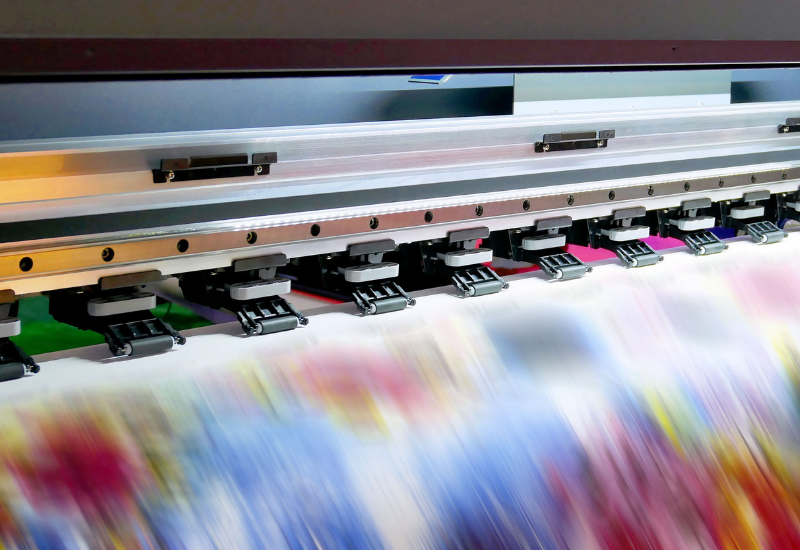
Starting a fashion business has never been more accessible. From independent clothing labels and online boutiques to custom sportswear brands and made-to-order collections, modern printing technology allows entrepreneurs to turn creative ideas into professional products without necessarily investing in huge production runs.
One of the most versatile techniques available to fashion businesses is dye sublimation printing. Combining vibrant colour, detailed artwork and durable results, sublimation can be an excellent option for entrepreneurs looking to create distinctive garments and build a recognisable clothing brand.
What Is Dye Sublimation Printing?
Dye sublimation is a printing process that uses heat to transfer specially formulated dyes onto suitable materials, most commonly polyester fabrics.
Unlike traditional printing methods where ink sits on top of the fabric, sublimation works by turning the dye into a gas using heat. The dye then bonds with the fibres of the material, becoming part of the fabric itself.
This creates a smooth finish that does not have the heavy or raised feel sometimes associated with other garment printing methods.
The process is particularly well suited to colourful designs, photographic artwork, gradients, patterns and all-over prints. For fashion entrepreneurs, this opens up plenty of opportunities to create garments that stand out in a competitive market.
Why Sublimation Can Be Useful for a Fashion Startup
When launching a clothing business, product quality and visual identity are extremely important. Customers want garments that look good, feel comfortable and maintain their appearance after repeated use.
Dye sublimation has several characteristics that can make it attractive to emerging fashion brands.
Vibrant Colours
Sublimation is capable of producing highly detailed designs with strong, vibrant colours. This makes it useful for brands that rely heavily on bold graphics, colourful patterns or distinctive artwork.
Detailed Designs
Because the process can reproduce intricate artwork, designers have considerable freedom when developing collections. Logos, illustrations, photographs, geometric patterns and complex colour combinations can all be incorporated into a garment.
Durable Results
Because the dye becomes integrated into the fibres, sublimated designs are generally resistant to the cracking and peeling that can occur with some surface-printing techniques. This is particularly useful for clothing that will be washed and worn regularly.
All-Over Printing
One of the biggest creative advantages is the ability to produce all-over designs. Rather than restricting artwork to a small area on the front or back of a garment, designers can create patterns that cover much more of the fabric.
This can help an independent brand develop a distinctive visual style.
Choosing the Right Products
Before investing in printing equipment or placing large production orders, a new fashion business should decide what type of products it wants to sell.
Potential options include:
- T-shirts
- Hoodies and sweatshirts
- Sportswear
- Cycling clothing
- Leggings
- Swimwear
- Accessories
- Teamwear
- Custom uniforms
Not every fabric is suitable for sublimation, so material selection is important. Polyester and polyester-rich fabrics are generally the preferred choice because of the way sublimation dyes interact with synthetic fibres.
A business should also consider the intended customer. A sportswear brand, for example, may have very different requirements from a streetwear label or an online business selling personalised gifts.
Building a Strong Fashion Brand
Printing is only one part of creating a successful fashion business. A strong brand needs a clear identity.
Start by identifying the target audience. Consider their age, interests, lifestyle, preferred price point and the type of clothing they already buy.
From there, develop a consistent visual identity. This could include:
- A memorable brand name
- A recognisable logo
- A defined colour palette
- Consistent photography
- Packaging that reflects the brand
- A clear tone of voice
- A distinctive design style
Consistency helps customers recognise a brand across its website, social media profiles, packaging and products.
Start Small and Test Your Designs
One of the biggest mistakes a new clothing entrepreneur can make is ordering too much stock before discovering whether customers actually want the products.
Instead, consider starting with a small collection. Select a handful of designs that represent the brand and produce samples before committing to larger quantities.
Samples allow you to assess colour accuracy, garment quality, sizing, stitching and overall presentation. They also provide valuable content for product photography and social media marketing.
If a particular design performs well, it can then become the basis for additional products or future collections.
Selling Your Products Online
An online store can provide a relatively straightforward way for a new fashion brand to reach customers beyond its local area.
A good product page should include high-quality photographs, accurate sizing information, fabric details, care instructions and a clear description of the design.
Social media can also play an important role. Platforms such as Instagram, TikTok and Pinterest can help independent brands showcase new designs and demonstrate the personality behind the business.
Rather than simply posting photographs of finished products, consider showing the creative process. Design sketches, colour selection, printing, packaging and behind-the-scenes content can all help potential customers connect with the brand.
Working With a Professional Printing Supplier
For many startups, purchasing their own printing equipment is not the most practical first step. Equipment, maintenance, inks, transfer paper and other supplies can quickly increase the initial investment.
Working with an experienced printing company can allow a new business to concentrate on design, marketing and customer service while outsourcing part or all of the production process.
When comparing suppliers, look beyond price alone. Ask about garment quality, colour reproduction, turnaround times, minimum order quantities and the range of products available.
A reliable supplier can become an important long-term partner as the business grows.
For UK-based entrepreneurs researching garment decoration and printing options, [Nova Chrome UK] is one company worth exploring when considering professional printing solutions.
Marketing a New Fashion Label
Once products are ready, the next challenge is getting them in front of potential customers.
A combination of organic and paid marketing can be effective. Social media content, email marketing, search engine optimisation, influencer collaborations and targeted advertising can all contribute to growing an audience.
Small businesses can also benefit from creating a story around their products. Customers often want to know why a brand exists, who designed the products and what makes the collection different.
This is particularly valuable for independent fashion businesses competing with large established retailers.
Think Beyond the First Collection
A successful fashion business is rarely built around one product. Once you understand which designs and products customers respond to, you can begin developing complementary collections.
For example, a successful graphic design could eventually be adapted across T-shirts, hoodies, sportswear and accessories. Seasonal colourways or limited-edition releases can also create reasons for existing customers to return.
The key is to expand strategically rather than producing a large number of unrelated products.
Dye sublimation printing gives fashion entrepreneurs considerable creative freedom. Its ability to produce detailed, colourful and durable designs makes it particularly useful for sportswear, personalised clothing and fashion brands built around strong visual identities.
However, successful fashion businesses require more than good printing. A clear target audience, distinctive branding, reliable production, effective marketing and careful financial planning are all essential.
For entrepreneurs prepared to start small, test their ideas and gradually build a loyal customer base, modern garment printing technology can provide the foundation for turning a creative concept into a genuine fashion business.